
For more than a century, Swan & Maclaren has been part of the story of Singapore's built environment. That history shapes how the firm thinks about conservation today, not as nostalgia, but as one of the most forward-looking things a city can choose to do.
The most successful conservation projects do more than preserve. They keep a city's memory alive while giving its old buildings genuinely useful, contemporary lives. They unlock value that a new build cannot, and they make cities more sustainable, more distinctive, and more loved.
Heritage is a city's quietest competitive advantage
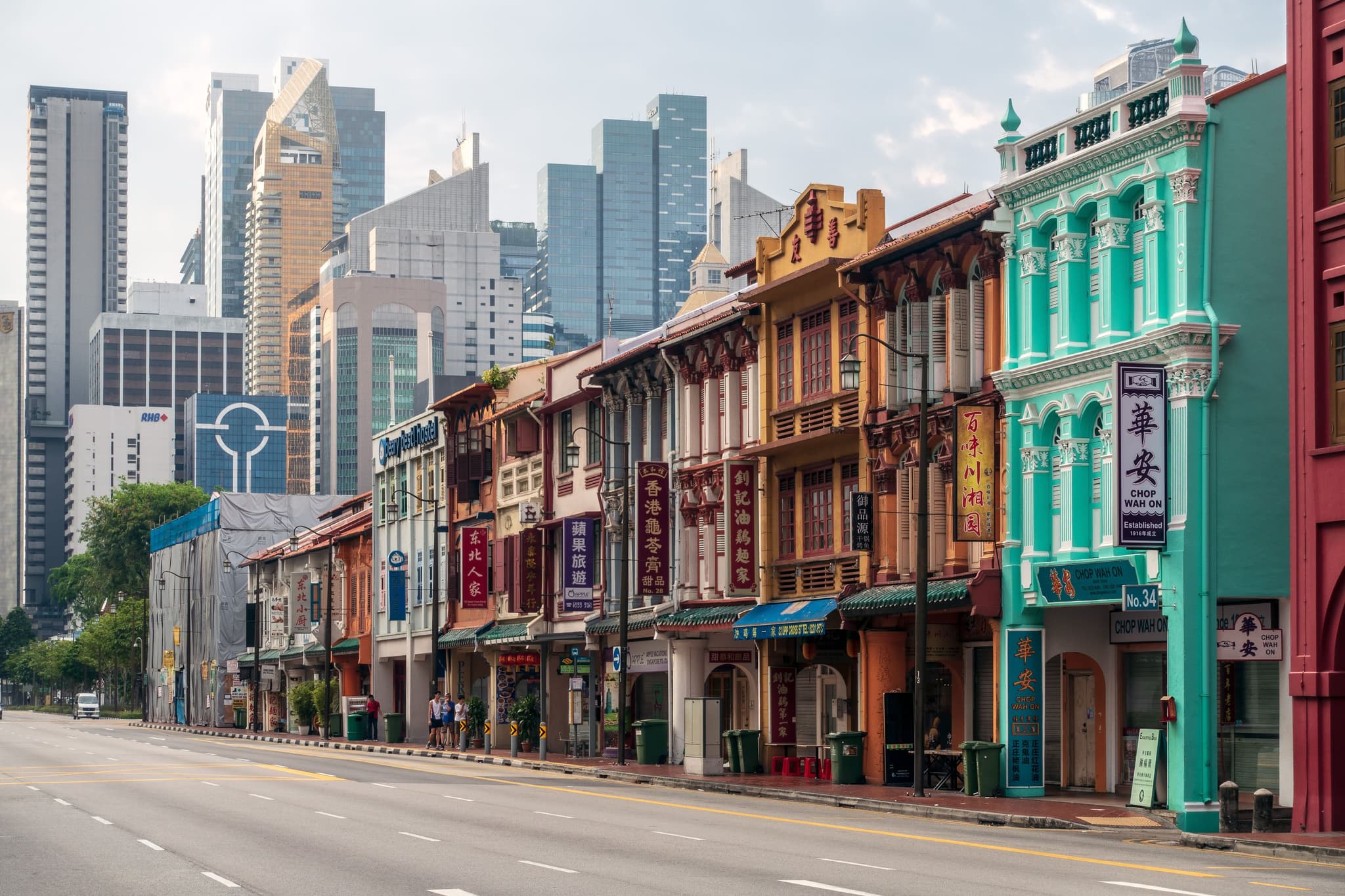
Cities everywhere are starting to look the same. In a global market for talent, capital and tourism, the cities that stand apart are the ones that have kept their character. Heritage is what makes a place feel like itself. The shophouses that line a street, the civic building that has stood at a junction for a hundred years, the skyline that is recognisable from a distance. These are the things that visitors photograph, residents take pride in, and businesses choose to locate near.
Singapore understands this better than most, with successive masterplans prioritising the conservation of historic districts. Around the world, cities from Barcelona to Kyoto have learned the same lesson. Heritage is not a constraint on growth. It is one of the most powerful forms of growth a city has.
Adaptive reuse is the real opportunity
The most exciting conservation projects of the last decade have been adaptive reuse projects, where buildings designed for one purpose are given new life as another. A colonial post office becomes a hotel. A power station becomes a museum. A row of shophouses becomes offices, restaurants and apartments around a shared courtyard.
Done well, adaptive reuse outperforms a new build on almost every measure. It costs less in embodied carbon, since the structure is already there. It delivers a more distinctive product, with character that a new build cannot replicate. And it tells a richer story, one that future occupants and visitors become part of. Heritage assets in good locations now command premium rents and hold their value through market cycles. Adaptive reuse is no longer a niche pursuit. It is increasingly the strategic move.
Conservation is a technical discipline as much as a cultural one
There is a romantic view of conservation that focuses on the visible: restored facades, hand-finished plasterwork, original timber doors. These elements matter and require deep craft skill. What is less visible, and just as important, is the technical work that allows a heritage building to perform today. Structural strengthening that keeps the building safe under modern loads. Mechanical and electrical services routed through a structure that was never designed to carry them. Fire, acoustic and accessibility upgrades that bring the building to contemporary standards while respecting its character.
Swan & Maclaren approaches conservation as a fully integrated discipline. The firm's conservation specialists, architects, structural engineers and MEP engineers work together from the earliest stages, because in conservation the technical decisions and the design decisions are the same decision. The firm also brings deep regulatory experience from working on conservation projects in Singapore over many years, including gazetted national monuments, conserved shophouse clusters, and post-war modernist buildings now beginning to be revisited.
Sustainability and conservation are the same conversation
Climate-conscious development and heritage conservation are sometimes treated as if they sit on opposite sides of a debate. They do not. The most sustainable building is almost always the one that already exists. Reusing a structure avoids the embodied carbon of a new build, often the largest single source of emissions in a project's lifecycle. Heritage buildings also tend to perform well passively, with thick walls, deep eaves, courtyards and operable windows that predate air conditioning and still work beautifully when restored thoughtfully.
A well-conserved building can achieve sustainability ratings that rival new builds, while telling a richer carbon story over its full lifecycle. As ESG reporting becomes more sophisticated, this is increasingly visible to investors and occupiers.
How Swan & Maclaren can help
Swan & Maclaren works on conservation and adaptive reuse projects across Singapore and the wider region, bringing together strategy, design and engineering within one practice. The firm's services in this area include:
- Heritage assessments and conservation strategy
- Adaptive reuse feasibility and programming
- Conservation architecture and architectural restoration
- Interior, landscape and lighting design for heritage buildings
- Structural and MEP engineering for heritage and adaptive reuse projects
- Sustainability strategy for heritage assets
- Liaison with heritage authorities and planning agencies
- Project management through approvals, construction and handover
Each project is shaped to the building, the brief and the city it sits in. What stays consistent is the firm's commitment to honour what is significant, unlock what is possible, and deliver work that adds lasting value.
Start a conversation about your conservation project
Whether the brief is a single shophouse, a heritage hotel, a civic building or an entire neighbourhood, Swan & Maclaren would welcome the conversation. A short note on the building, the location, and what is being considered is the most helpful way to begin.
enquiry.sg@swanmaclaren.com