
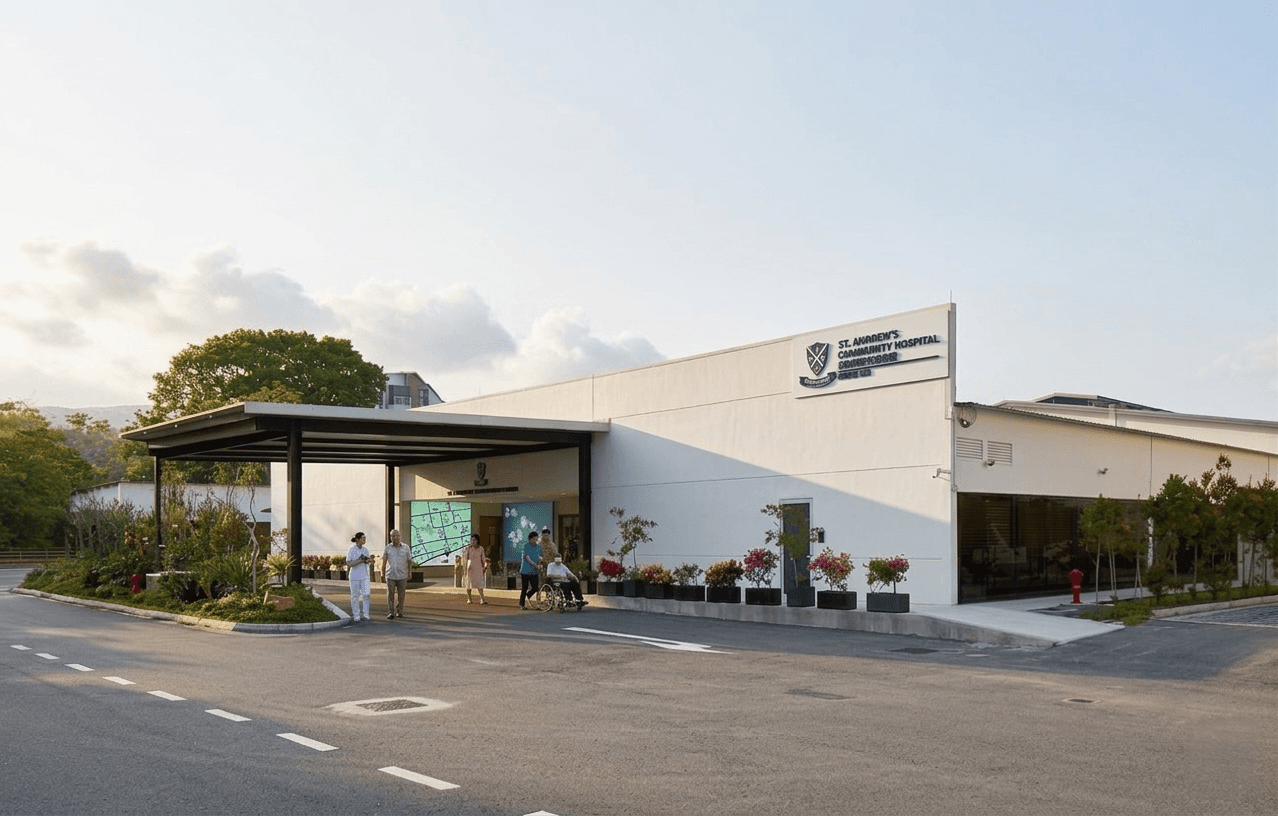
Reimagining an industrial building as a place to recover
St. Andrew's Community Hospital (Bedok)
Expertise
Architecture
Sector
Healthcare
Region
Singapore
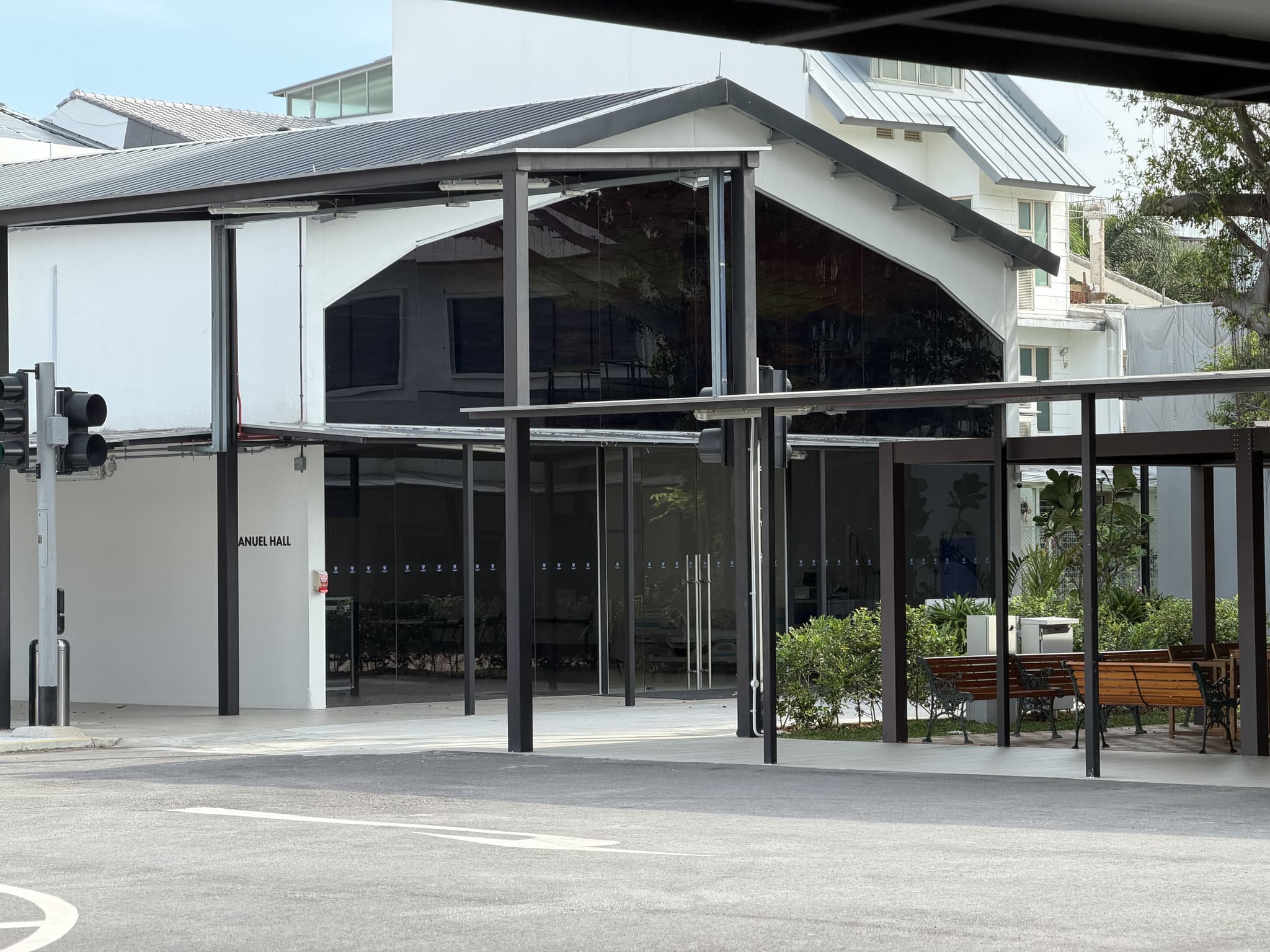
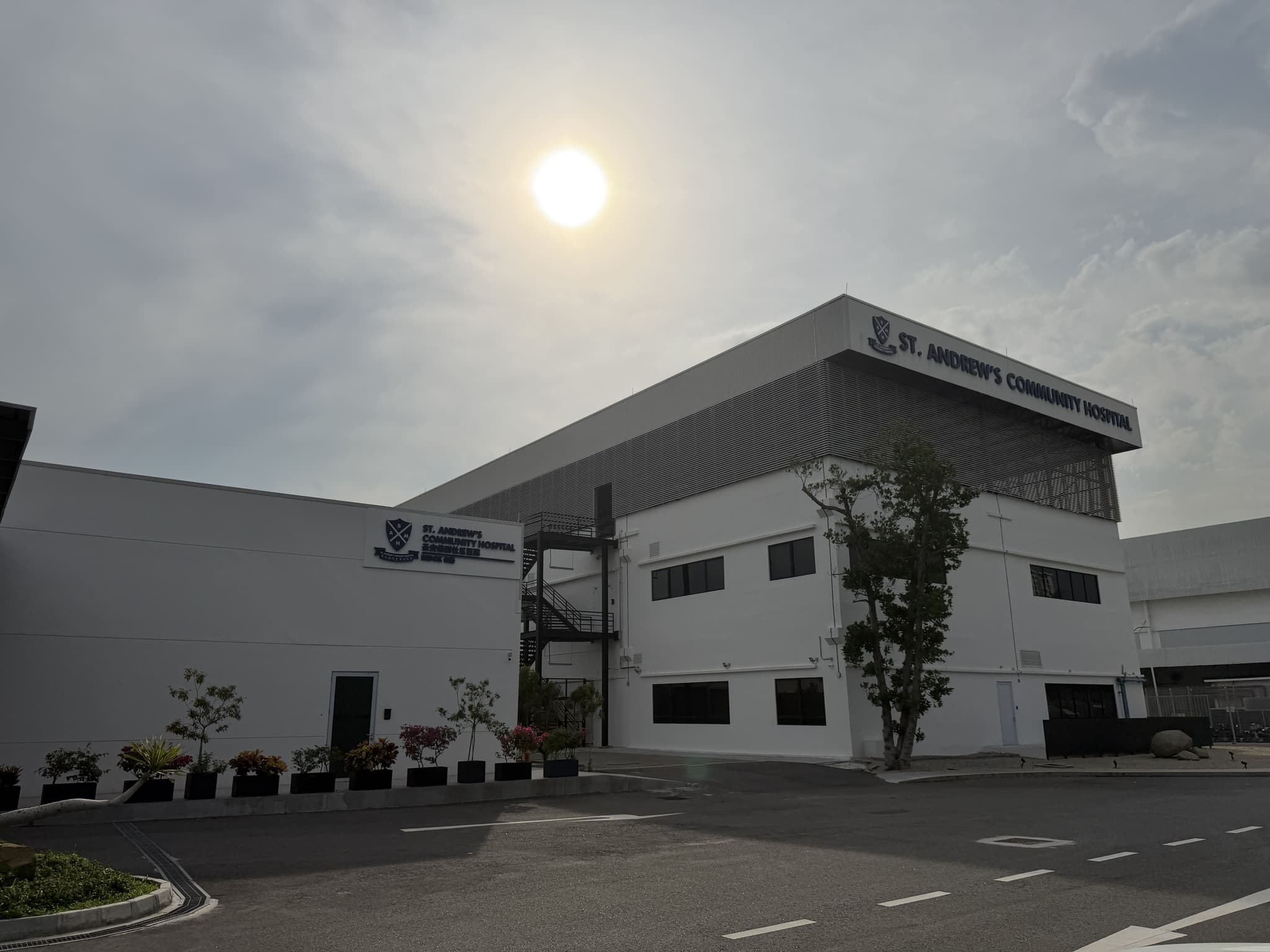
The east of Singapore is ageing faster than beds can be built for it. When the Ministry of Health appointed St. Andrew's to run a new community hospital at Bedok South in 2024 — a second site to complement its long-established hospital in Simei — the question was not where to build, but how. Rather than wait on new land and a new structure, the project began with a building that already stood: a former industrial premises in the Bedok South estate, never intended for patients, therapy, or rest. We were appointed to turn it into a 240-bed community hospital, and the brief asked for far more than a change of use.
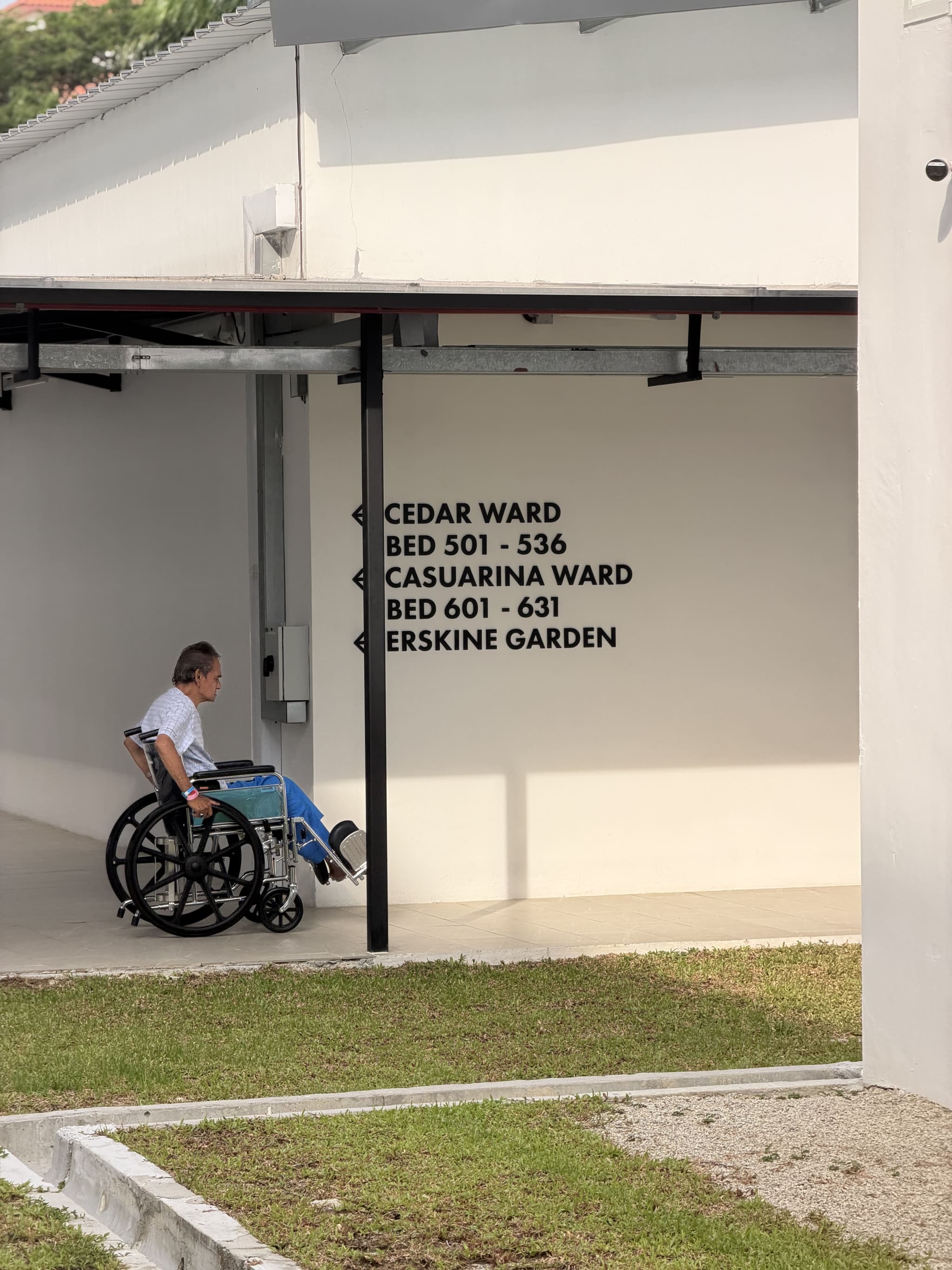
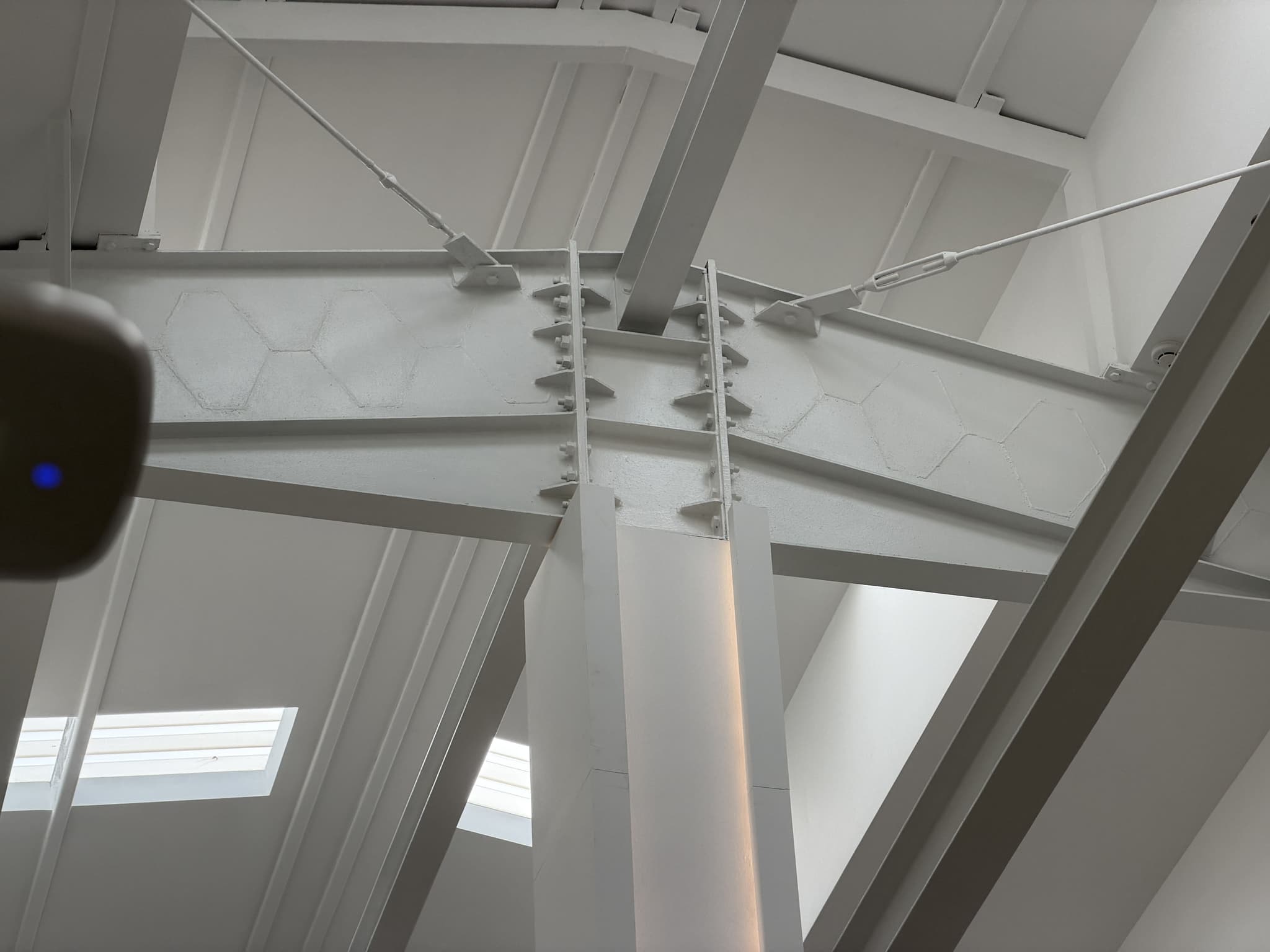
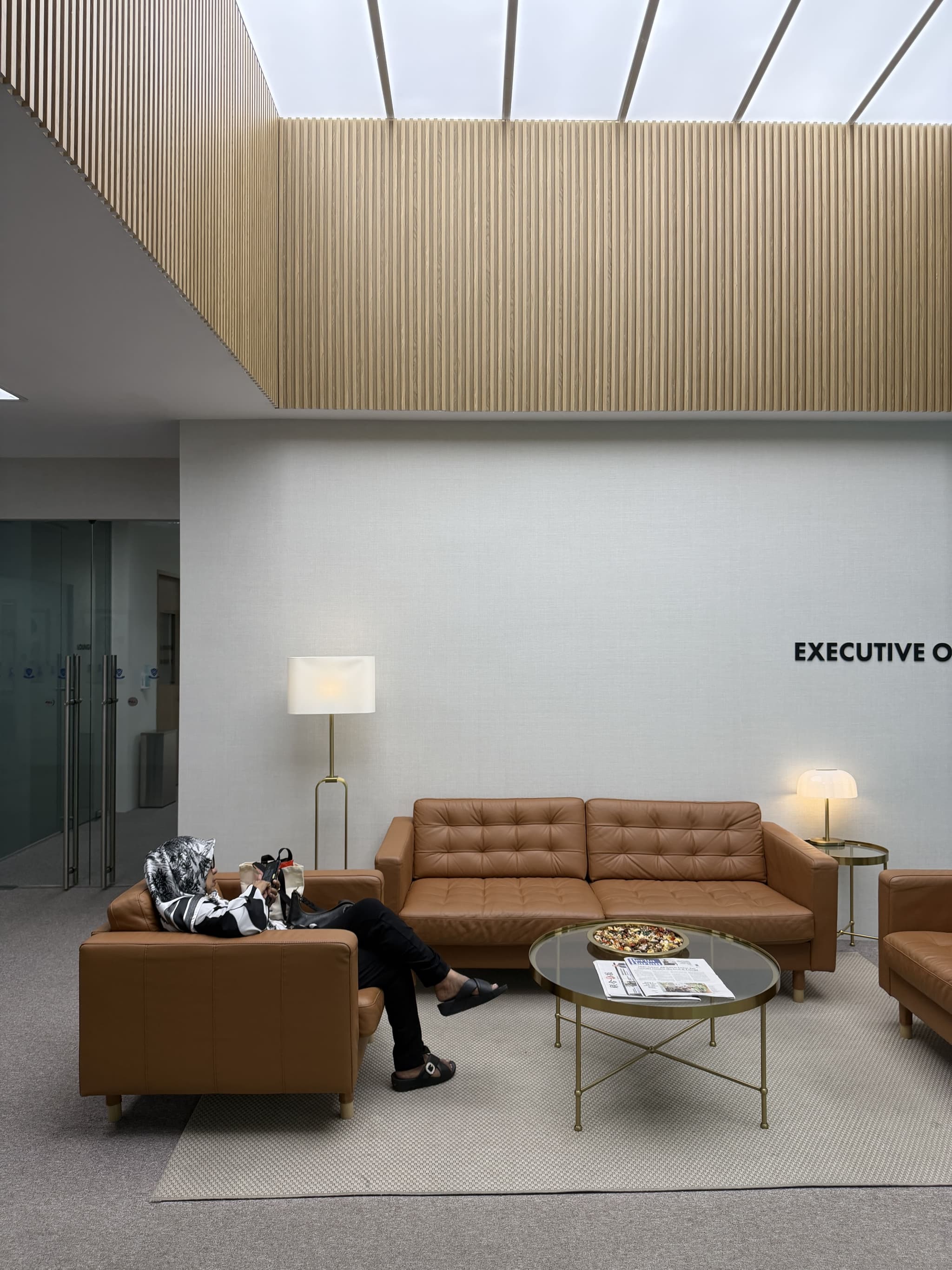
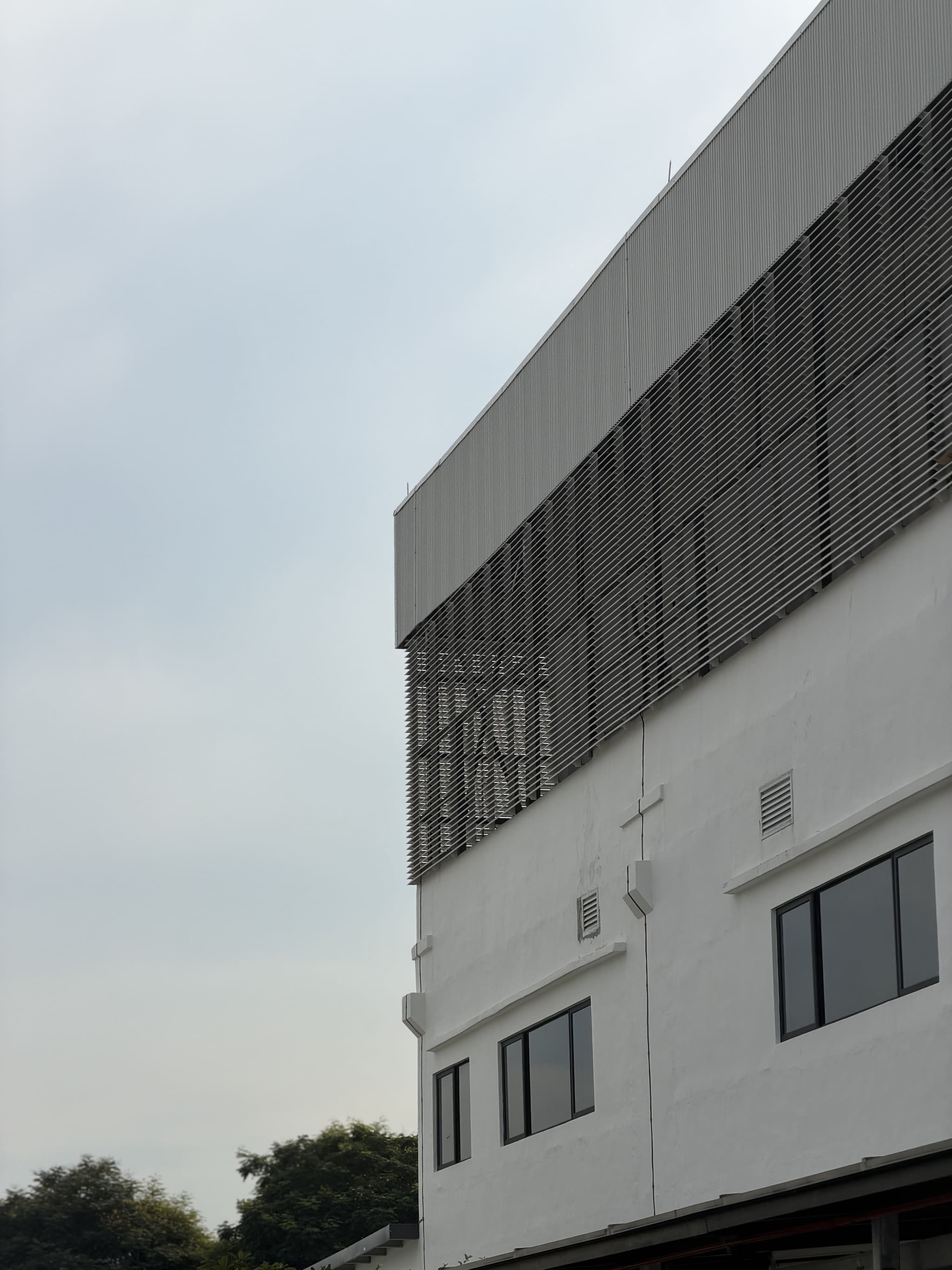
Adapting an industrial shell into a place of care meant working against the grain of the original building. Floors planned for goods and machinery had to carry wards, therapy gyms, and clinical services; an envelope built for storage had to admit daylight, air, and the slow movement of recovering patients. We retained and reorganised the existing structure where we could, and inserted what the new use demanded — circulation that a frail or disoriented patient can navigate, wards arranged on dementia-inclusive principles that ease the stresses of an unfamiliar place, and quiet, planted spaces that an industrial building rarely affords.
What sets the hospital apart is how directly its spaces rehearse the life patients are working to return to. In an outdoor mobility park, a donated public bus, a decommissioned MRT carriage, and a taxi let patients practise the ordinary, daunting act of boarding transport again, while part of the carriage doubles as a resource hub for the caregivers who carry that work home. A mock-up HDB flat and activities-of-daily-living room turn rehabilitation into rehearsal for the kitchen, the bathroom, the front door. A hydroponic therapeutic garden and shared green spaces give recovery somewhere to happen that does not feel like a ward.
A community hospital is measured less by how long people stay than by how well they leave. That idea shaped every decision here: a building whose real purpose is to return people to their homes, their streets, and their independence. That this work now happens inside a converted industrial structure is the quiet point of the project — proof that the places we already have can be remade to do the most human kinds of work, and that careful reuse can answer urgent need without waiting for something new to be built.
Explore other projects
Interested in working with us?
We would love to hear about your project. Get in touch with our team to discuss how we can bring your vision to life.
Contact us