
 Solutions
Building for the climate that is coming
Point of View
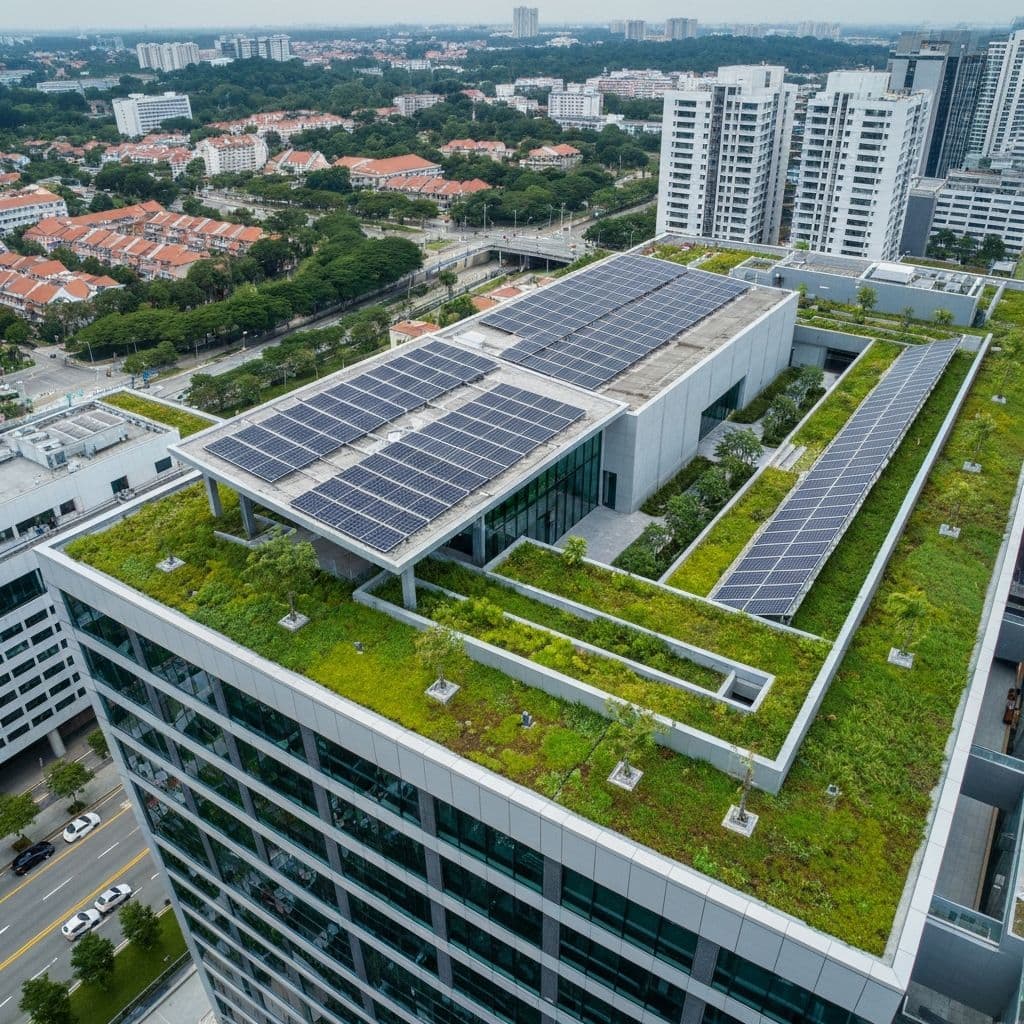
The climate is changing faster than the built environment is adapting. Buildings, cities and infrastructure designed for one set of conditions are increasingly being asked to perform under another, and Swan & Maclaren helps clients close that gap with design and engineering that anticipates tomorrow's climate rather than yesterday's.
The pressures are well documented. Heatwaves are longer and more intense. Rainfall patterns are shifting, with heavier downpours concentrated into shorter windows. Cooling demand is climbing. Across Asia, where Swan & Maclaren works, these pressures are particularly acute. The buildings and infrastructure being designed today will be in service for fifty years or more, well into a climate that will look noticeably different from the one we know.
Climate resilience is not the same as sustainability. Sustainability is about reducing the contribution buildings make to climate change. Resilience is about preparing them for the change that is now unavoidable. Both are needed, and the most thoughtful projects today combine both lenses, reducing harm and preparing for change in the same design.
Swan & Maclaren's climate work draws on the firm's full integrated practice, with strategists, designers and engineers working together to anticipate how buildings will perform under future stress and to design accordingly. Passive design is the foundation, complemented by active systems engineered to remain operable when conditions are difficult. The aim is buildings and places that perform well most of the time and continue to function when the climate turns extreme.
How We Help
Specialist capabilities in climate resilience
Climate Risk Assessment
Every climate-resilient project begins with understanding the risks the site will face over its operating life. Swan & Maclaren conducts climate risk assessments using current modelling and forward scenarios, identifying exposure to heat, rainfall, flooding, sea level rise, and grid stress. The findings shape the design brief and give clients a clear evidence base for decision-making.
Coastal & Flood Protection
Coastal sites and low-lying areas face some of the most severe climate pressures, including rising seas, storm surges, and intensifying rainfall events. Swan & Maclaren designs coastal and flood protection strategies that combine engineering with thoughtful landscape and urban design, protecting assets and communities while preserving the qualities that make waterfront locations valuable in the first place.
Passive Design Strategy
The most resilient buildings work even when systems fail. Swan & Maclaren designs passive strategies including orientation, massing, shading, natural ventilation, and material selection to reduce dependence on mechanical systems and keep buildings comfortable across a wider range of conditions. These strategies often draw on traditional tropical architecture, updated with contemporary performance analysis.
Resilient Infrastructure Engineering
Infrastructure carries cities, and when it fails under climate stress, the impact cascades. Swan & Maclaren's engineers design buildings and infrastructure to perform reliably under future conditions, including durable material specification, sized-up drainage, redundant systems, and maintainable detailing. Resilience is engineered in across the full lifecycle.
Sustainability Advisory
Climate resilience is most effective when paired with strong sustainability performance. Swan & Maclaren advises clients on sustainability strategy, green building certifications, and the operational decisions that reduce carbon, energy and water use over a building's life. The advisory work bridges design ambition and the increasingly stringent reporting requirements of investors, regulators and tenants.
Related Sectors
Get in Touch
Engage our Climate Resilience specialist team whether the project is a single building, a campus, an infrastructure scheme, or an entire urban district facing climate exposure.
A short note on the site, the brief, and the climate questions on your mind is the most helpful way to begin.
Contact Us