Why Singapore's Next Hospitals Should Be Designed Like Neighbourhoods
Singapore is in the middle of its most ambitious healthcare expansion in a generation. The question is whether healthcare architecture is keeping pace with a care model that has already moved into the community.
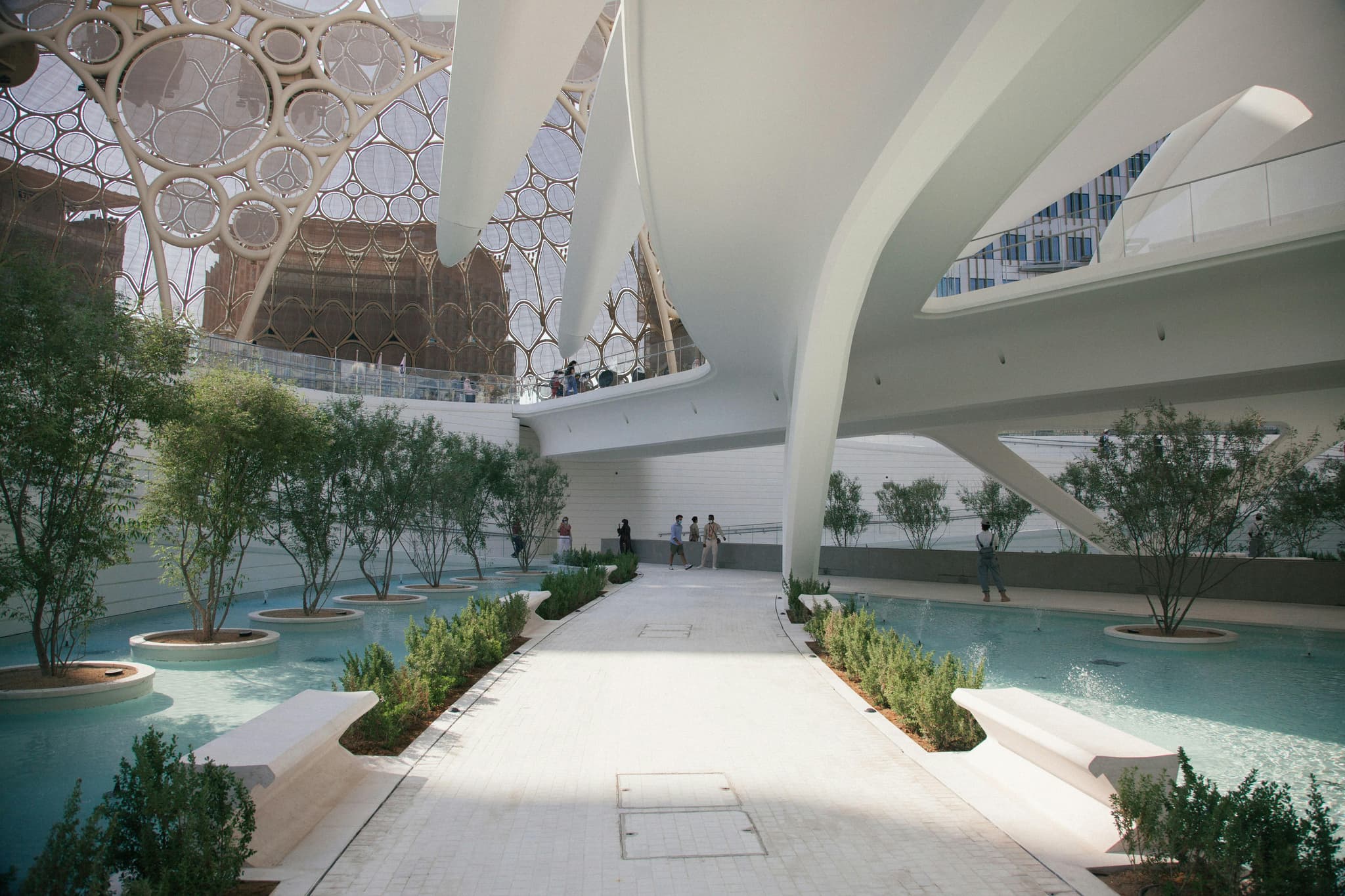
Image by Michael Wave
Singapore is in the middle of its most ambitious healthcare expansion in a generation. Nearly 2,800 new public acute and community hospital beds are being added by 2030. The polyclinic network is growing from 28 to 32. Six existing polyclinics are being redeveloped. Woodlands Health Campus, which opened in 2024 with an eventual capacity of 1,800 beds, is the most significant new hospital in the north of the island in decades. By any measure, the infrastructure commitment is serious.
But the more important transformation is happening outside the hospital walls. Healthier SG, the national reform launched in 2023, represents a fundamental reorientation of Singapore's healthcare model, shifting from episodic, hospital-centric treatment to continuous, community-based prevention. Under this framework, residents enrol with a regular family doctor or polyclinic for long-term health management. Community Health Posts are being embedded in Active Ageing Centres and even mosques. Specialist care is being extended into neighbourhood settings. The policy direction is clear: healthcare is moving into the community.
The question is whether healthcare architecture is moving with it. It is not, at least not fast enough. The physical design of healthcare facilities in Singapore and across Southeast Asia remains overwhelmingly institutional in character, even when the care model it serves has become fundamentally neighbourhood-based. There is an opportunity to close this gap, and a risk in leaving it open.
The Institutional Reflex
Hospital design in the region has evolved significantly over the past two decades. Singapore's newer healthcare campuses, such as Khoo Teck Puat Hospital with its celebrated biophilic design and Ng Teng Fong General Hospital with its energy-efficient integrated campus, are genuinely world-class facilities. They prove that hospital architecture can be humane, efficient, and environmentally responsible. But they remain, fundamentally, hospitals: large, centralised, purpose-built institutions designed around clinical workflows and departmental organisation.
This made sense when the healthcare model was hospital-centric. Patients arrived unwell, were treated by specialists, and were discharged. The building was optimised for that journey, from emergency department to ward to outpatient follow-up, and it performed that function admirably. The problem is that Healthier SG is asking the system to do something fundamentally different. It is asking healthcare to be continuous rather than episodic, preventive rather than reactive, and embedded in the rhythms of daily life rather than separated from them.
“Singapore's 2,400 private GP clinics manage approximately 75% of all primary healthcare attendances, yet most occupy spaces designed for retail, not for health.”
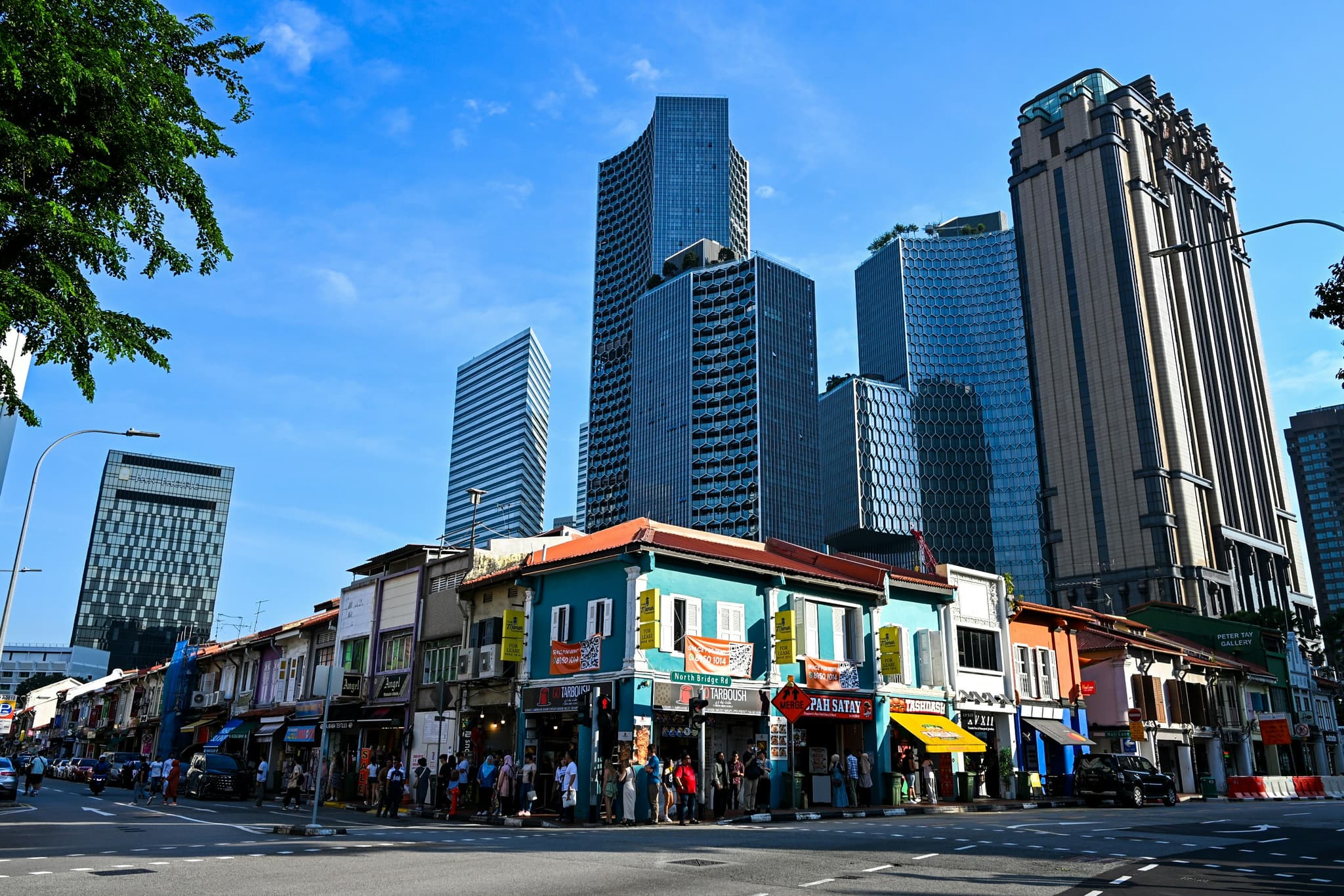
Consider the physical reality of primary care in Singapore. Approximately 2,400 private GP clinics manage around 75 per cent of all primary healthcare visits. The vast majority of these clinics occupy shophouse units or HDB void decks, spaces designed for retail commerce, not for health and wellness. Under Healthier SG, these same clinics are being asked to serve as the foundation of a preventive care system: conducting health screenings, managing chronic conditions, coordinating with specialists, and building long-term relationships with their enrolled patients. The ambition of the policy is transformative. The physical environment in which it is being delivered has not changed at all.
Designing Healthcare into the Neighbourhood
The opportunity is to design healthcare facilities that are indistinguishable from the neighbourhood fabric they serve, not because they are hidden, but because they are genuinely integrated into the community's daily experience. This is not about making clinics look less clinical, though that matters. It is about rethinking what a healthcare facility is, where it belongs, and how it relates to the other elements of community life.
Woodlands Health is beginning to demonstrate what this can look like. Beyond the main hospital campus, the National Healthcare Group has progressively enhanced eleven Community Health Posts within Active Ageing Centres across Woodlands town, with weekly services and walk-in access available from early 2026. By September 2026, Community Health Post services will extend to two mosques in Woodlands. Meanwhile, specialist-supported care for chronic conditions like diabetes and asthma is being delivered in community settings from the hospital's outreach teams. The healthcare campus is, in effect, disaggregating, pushing services outward into the places where residents already gather.
This is the right direction, but the physical design has not yet caught up with the operational ambition. Most Community Health Posts currently operate within spaces that were designed for other purposes: a room in an ageing centre, a corner of a community club. The care model is innovative; the environment is improvised. If community-embedded healthcare is to work at scale, it needs purpose-designed spaces, not clinical suites transplanted into community settings, but a new typology altogether: spaces that feel like community facilities with healthcare capabilities woven in, rather than healthcare facilities awkwardly grafted onto community spaces.
“The next generation of healthcare architecture will not be measured by the hospital it builds, but by the hospital visits it prevents.”
What might this look like in practice? Consider healthcare-integrated community hubs that co-locate primary care, chronic disease management, wellness programming, and social services within a single, architecturally coherent environment. The design language would draw from community and residential architecture rather than clinical design: generous natural light, domestic-scale spaces, landscape integration, and clear wayfinding that does not rely on the institutional signage systems that make hospitals feel like hospitals. The clinical infrastructure, including consultation rooms, diagnostic equipment, and telemedicine suites, would be present but not dominant, designed to serve the care model without defining the character of the space.
The Urban Design Dimension
Healthcare decentralisation is not just a building design challenge. It is an urban design question. Where healthcare facilities sit within a neighbourhood, including their proximity to public transport, to parks, to commercial activity, and to housing for the elderly, determines how accessible and how used they will be. A beautifully designed community health hub located three bus stops from the nearest MRT station will not achieve the preventive care outcomes that Healthier SG envisions.
From an urban design perspective, there is an emerging opportunity to integrate healthcare planning into precinct master plans from the earliest concept stage, not as a standalone facility to be sited after the residential and commercial programme has been determined, but as a foundational element that shapes the precinct's walkability, its social infrastructure, and its approach to active ageing. Singapore's new towns, including Tengah, Bayshore, and the future Paya Lebar Airbase redevelopment, represent once-in-a-generation opportunities to embed this thinking from the ground up.
“Singapore will add nearly 2,800 hospital beds by 2030, but the bigger opportunity is designing neighbourhoods that keep people out of hospital in the first place.”
The ageing dimension makes this especially urgent. Singapore's resident population aged 65 and above is projected to reach 25 per cent by 2030. The healthcare system is already adapting its care models to serve this demographic. Healthier SG's emphasis on chronic disease management and preventive health is, in large part, an ageing society strategy. But the built environment has been slower to respond. Most HDB estates were designed for younger populations with different mobility patterns, different social needs, and different relationships to healthcare. Retrofitting healthcare access into these existing neighbourhoods, through precinct-level planning, not just individual facility design, is one of the most consequential urban design challenges Singapore will face in the coming decade.
Signals Worth Watching
The six polyclinics being redeveloped by 2030, namely Bukit Merah, Clementi, Jurong, Outram, Queenstown, and Toa Payoh, will be among the first opportunities to test a new design paradigm for primary care facilities. These are mature estates with established community patterns, ageing populations, and high demand for preventive health services. How these polyclinics are redesigned, whether they remain stand-alone clinical facilities or evolve into integrated community health hubs, will signal the direction of healthcare architecture in Singapore for the next two decades.
Across the region, the healthcare infrastructure pipeline is enormous. Southeast Asia's growing middle class, ageing demographics, and post-pandemic investment in health system resilience are driving a healthcare building boom that stretches from Vietnam to the Philippines to Indonesia. Much of this construction is following the conventional hospital model: large, centralised, institutionally designed. The opportunity for architects and planners who can offer a credible alternative model, one that integrates healthcare into community fabric rather than isolating it behind clinical walls, is substantial and largely uncontested.
It is also worth watching how telemedicine and remote diagnostics reshape the physical requirements of healthcare facilities. As more consultations, monitoring, and routine follow-ups move to digital platforms, the physical healthcare space can evolve from a place you go when you are sick to a place you visit to stay well, a fundamentally different design brief. The facilities that anticipate this shift, designing for flexibility and programme adaptation rather than fixed departmental layouts, will age far better than those built to yesterday's clinical model.
From Beds to Neighbourhoods
The measure of a healthcare system's success is not how many hospital beds it provides. It is how rarely those beds are needed. Singapore understands this. Healthier SG is a policy expression of exactly this principle: invest in prevention, empower primary care, and keep people healthy in their communities for as long as possible. The architecture of healthcare should embody the same principle.
That means designing facilities that people want to visit before they are unwell, not places they dread going after they fall ill. It means thinking about healthcare as a thread woven through the neighbourhood, not a destination at its edge. And it means recognising that the most impactful healthcare architecture of the next decade may not look like a hospital at all. It may look like a particularly well-designed community centre that happens to have a doctor, a wellness programme, and a direct line to the specialists at the hospital down the road.